
Aluminum Foil Film | Innovative Packaging Systems: Elevating Food Safety and Quality for Global Businesses
Aluminum Foil Film manufacturer. Wrapping films containing aluminum materials can be categorized into Aluminum Foil Laminates (Dry Lamination), Metallized Films, and Extrusion Laminated Foil Hopak Machinery is a Aluminum Foil Film, high speed horizontal flow wrapper, Industry 4.0 automatic packaging system, food packaging solutions, medical supplies packaging systems, and fresh and frozen food packaging equipment manufacturer from Taiwan since 1992. Hopak machinery, more than 30 years experience on Horizontal Flow Wrapper (HFFS), we design, manufacture and sales our product to more than 100 countries over the world. HOPAK machinery certificated with CE& ISO is for the high end to basic needs with high quality service and continuously innovation as for be the leading brand of Packaging Machinery!

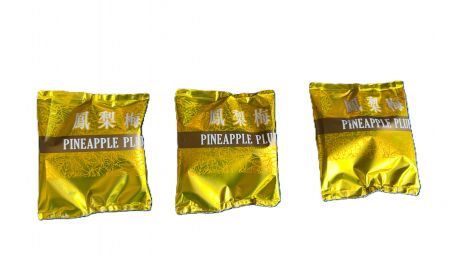
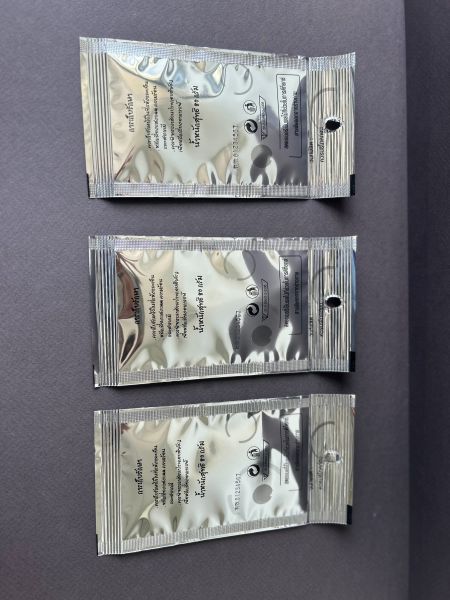
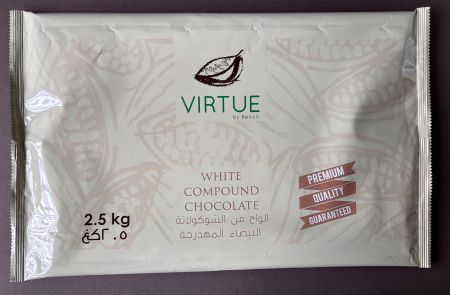
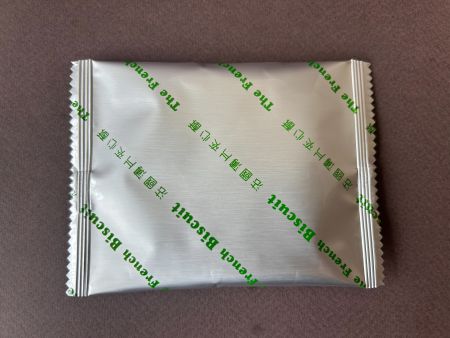
Aluminum Foil Film
alu-film
Wrapping films containing aluminum materials can be categorized into Aluminum Foil Laminates (Dry Lamination), Metallized Films, and Extrusion Laminated Foil
1 - Aluminum Foil Laminated Film (Dry Lamination) A composite material that combines true pure aluminum metal foil (Foil) with one or more other plastic films, papers, or boards through adhesives (Lamination).
Film Structure | Film Name | Characteristics | Application Industry | Product |
PET / AL / PE | Polyester / Aluminum Foil / Polyethylene | High oxygen barrier, moisture-proof | Food | Coffee |
PET / AL / CPP | Polyester / Aluminum Foil / CPP | High temperature resistance | Food | Ready-to-eat food |
BOPP / AL / PE | BOPP / Aluminum Foil / PE | Low cost, good printing | Food | Candy |
NY / AL / PE | Nylon / Aluminum Foil / PE | Puncture resistance | Frozen food | Seafood |
PET / AL / NY / PE | Polyester / Aluminum / Nylon / PE | High strength | Medical | Medical devices |
2- Metallized Films Using "surface coating" technology, general plastic films (such as PET, OPP, PE, etc.) are placed in a vacuum chamber where pure aluminum wire is heated to evaporate. The aluminum vapor deposits on the surface of the low-temperature plastic film, forming an extremely thin aluminum metal layer. It is a "single substrate + metal coating" structure that retains the flexibility and electrical properties of the plastic substrate while gaining metallic luster. It has no dead-fold characteristics (it springs back after
folding), possesses a mirror-like metallic luster, and looks brilliant, making it very suitable for packaging requiring display effects. However, it is not suitable for high-temperature sterilization, has barrier effects but is inferior to aluminum foil laminates, and is relatively inexpensive.
Substrate: BOPP, PET, or PE film.
Metallized Layer: Extremely thin aluminum atom layer (thickness is usually only 20~50 nanometers, i.e., 0.02~0.05 microns).
3. Extrusion Lam. Foil: The process of Extrusion Coating/Lamination is extrusion compounding. When the "extrusion" process meets "aluminum foil," it usually refers to: pouring molten plastic (such as PE) like a liquid onto the aluminum foil surface, or using molten plastic as a middle bonding layer to laminate the aluminum foil with other films (such as PET or paper). To make the comparison more precise, we define "Extrusion Laminated Film (containing aluminum foil)" as: a composite material that contains pure aluminum foil in its structure, where at least one layer is completed by the extrusion coating process. This is typically used for instant noodle bags, sauce packets, or medical packaging with extremely high requirements for barrier properties and toughness.
Specification
Comparison Item | Metallized Films | Dry Lam. Foil | Extrusion Lam. Foil |
Metal Layer Form | Extremely thin nano-scale metal evaporation layer | Thick micron-scale pure metal foil | Thick micron-scale pure metal foil |
Structural Compounding | Evaporation on single layer substrate surface | Using adhesives to bond multi-layer films | Using molten plastic extrusion bonding or coating |
HFFS Suitability | Excellent. Soft, elastic, suitable for ultra-high speed operation. | Good. Harder, has dead-fold property, machine needs fine tension adjustment. | Superior. The extrusion layer (usually PE) increases flexibility and cushioning; though it has foil, it is more "obedient" than dry lamination, and the film runs smoothly. |
Barrier Performance | Medium-High. Good moisture and sun protection, average oxygen barrier, not resistant to oil/solvents. | Extremely High / Perfect. Perfect barrier for light/oxygen/water. However, if the adhesive is chosen improperly, it may be eroded by contents leading to delamination. | Extremely High / Perfect. Has the perfect barrier of aluminum foil. The extrusion plastic layer provides excellent oil and chemical resistance, protecting the foil from destruction by contents. |
Heat Sealing Performance (HFFS) | Fast and easy. Seals quickly at low temperatures. | Slower, challenging. Foil conducts heat quickly, dispersing it; requires higher temperature/longer time, prone to sealing wrinkles. | Good. The extrusion layer itself is usually an excellent heat seal layer (like PE) with adjustable thickness, providing stronger and denser seals, especially suitable for products containing liquids/oils. |
Content Resistance | Poor. Oils or solvents easily erode the metallized layer through the film. | Medium. Depends on the resistance of the adhesive. | Excellent. Specific extrusion resins (e.g., EAA, Ionomer) can be selected to resist grease, acids/alkalis, or alcohol. |
Cost-Efficiency | Low. Suitable for popular, high-volume products. | High. Adhesive and multiple process costs. | High. Equipment is expensive, but for large batch production, raw material costs may be slightly lower than adhesives, though process control difficulty is high. |
 Download
 Popular Products

Aluminum Foil Film | Comprehensive Guide to Advanced Packaging Machines for Frozen and Fresh Foods
Based in Taiwan since 1992, HOPAK MACHINERY CO., LTD. specializes in advanced packaging solutions, offering Aluminum Foil Film, cutting-edge, high-speed horizontal flow wrappers and Industry 4.0 automated packaging systems tailored for a variety of sectors including food, medical and plastics. Our commitment to innovation and quality ensures optimal packaging efficiency and durability for global business buyers seeking reliable and sophisticated packaging technologies.
At Hopak Machinery, we are a leading manufacturer of innovative packaging solutions, specializing in the development of high-speed horizontal flow wrappers and Industry 4.0 automated packaging systems. Our products serve a wide range of industries including food, medical, fresh produce, frozen food, plastic products, bakery and chocolate packaging. With a focus on integrating advanced technology to improve efficiency, safety and quality, we strive to meet the global demand for reliable, state-of-the-art packaging systems. Our commitment to excellence ensures that we provide our customers with the tools they need to succeed in a competitive marketplace.
Hopak Machinery has been offering customers bulk packaging systems, both with advanced food safety packaging technologies and 34 years of experience, Hopak Machinery ensures each customer's demands are met.